
Address: 8370 W. Cheyenne Ave ste 101
Las Vegas, NV 89129
Email: sanamseyebrowthreading@gmail.com
Phone: 702-405-8634
Business Hours
Monday to Saturday
9:00 AM - 7:00 PM
Sunday - Closed
Eyebrow Threading is located inside Sanam's Bath N Body
at Northshore Plaza
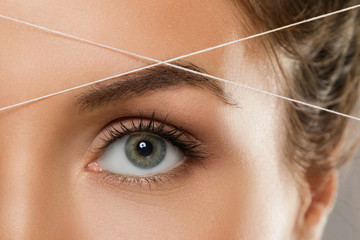
Why Clients Love Eyebrow Threading:
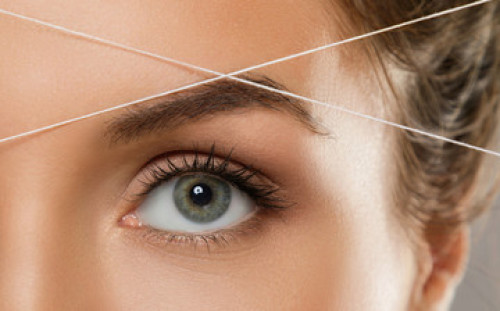
At Sanam's, we shape brows the way it's been done for thousands of years — using only a clean cotton thread and skilled hands. No wax. No chemicals. Just precision.
• Incredibly precise — Threading gives you the cleanest, most defined brow shape you've ever had. We can sculpt detail that wax simply can't.
• Gentle on your skin — No hot wax means no peeling, no irritation, and no redness. Perfect for sensitive skin and anyone using retinoids or acne treatments.
• Results that last — Because we remove hair from the root, your brows stay clean and shaped for up to 2 weeks.
• In and out in minutes — Most clients are done in 5–10 minutes. Walk-ins always welcome — no appointment needed.
• First time? We've got you. — A little pinch, a quick sting, and it's over before you know it. Our clients tell us it's nothing like they expected — in the best way.
Come in and see for yourself. We're right inside Sanam's Bath N Body at Northshore Plaza.
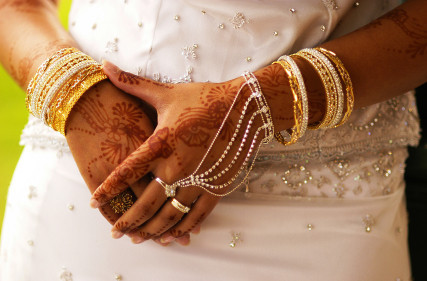
Henna:
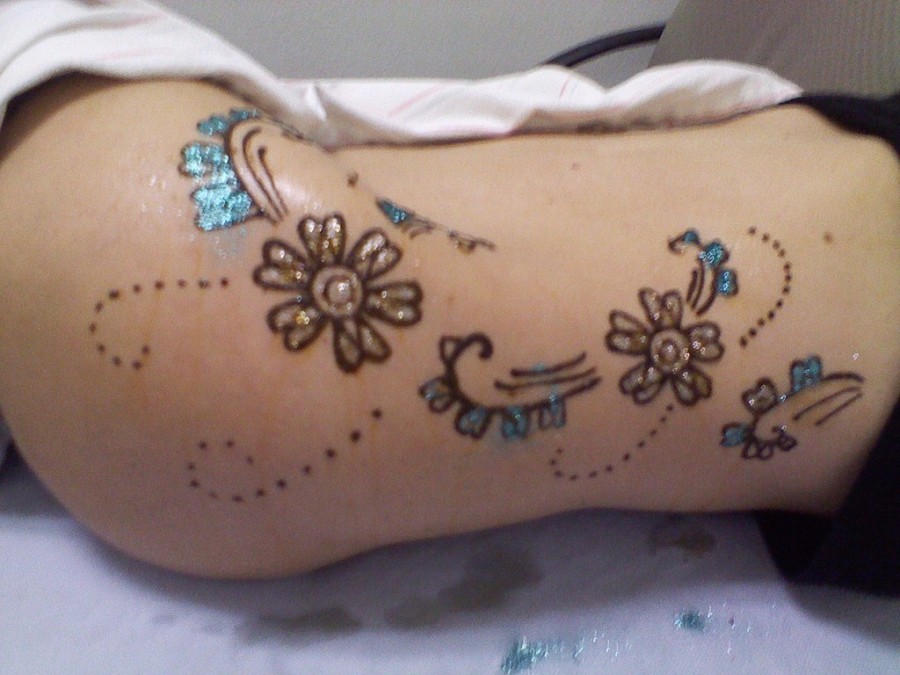
There's something special about henna that goes far beyond a pretty design. Henna — known traditionally as Mehndi (or Mehandi) — is a natural, plant-based art form that has been passed down through generations for over 5,000 years. Rooted in South Asian and Middle Eastern cultures, it's a tradition we are proud to carry forward right here in Las Vegas. No needles, no pain, no permanent commitment — just beautiful, meaningful art on you skin.
Henna's Origins:
Henna comes from the lawsonia inermis plant — a bush that thrives in the hot, dry climates of the Middle East and South Asia. The leaves are harvested, dried, and ground into a fine powder, then mixed into a paste used to create intricate designs on the skin. The plant has been valued for centuries not just for art, but for its natural properties — used in hair treatments, skin care, and heat relief. For Mehndi, the top leaves of the plant produce the richest, most vibrant color, and that's exactly what we use.
 Print
Print 